Going to Ask
Lviv, Vorokhta, Verkhovyna — the names of the road into the Hutsul heartland
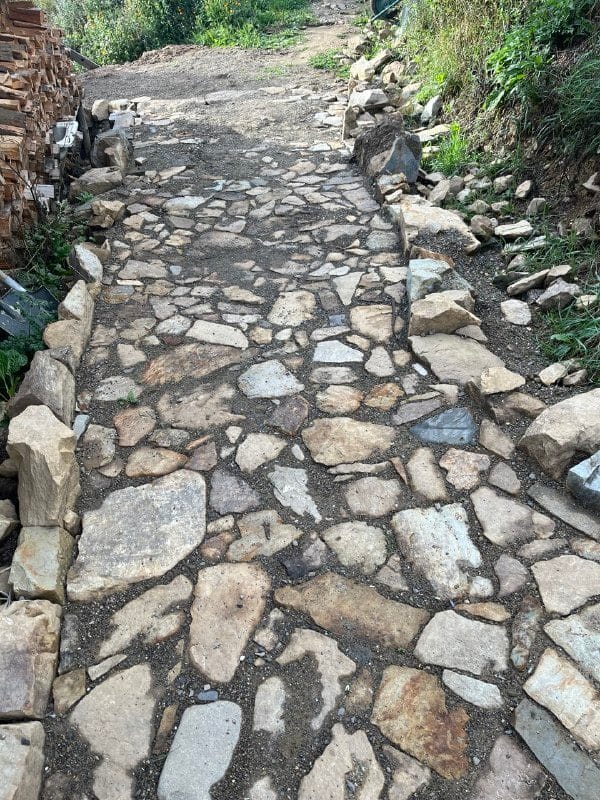
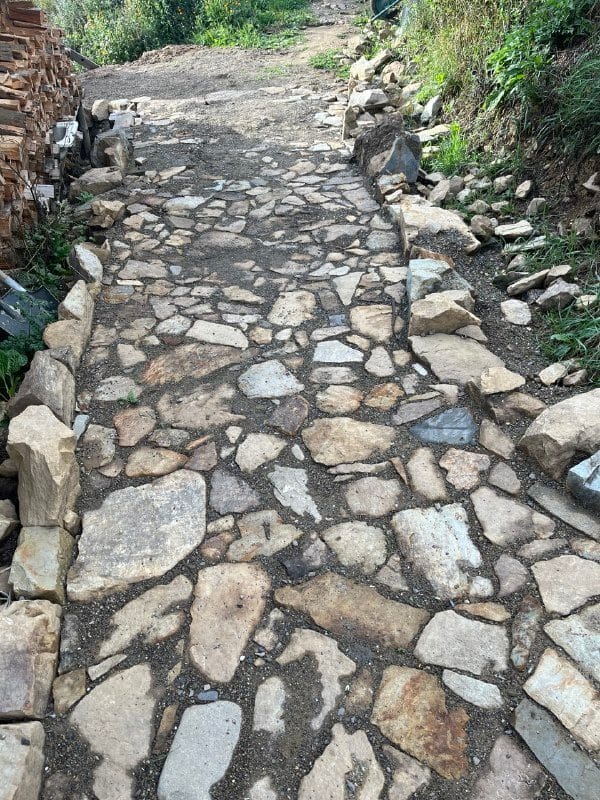
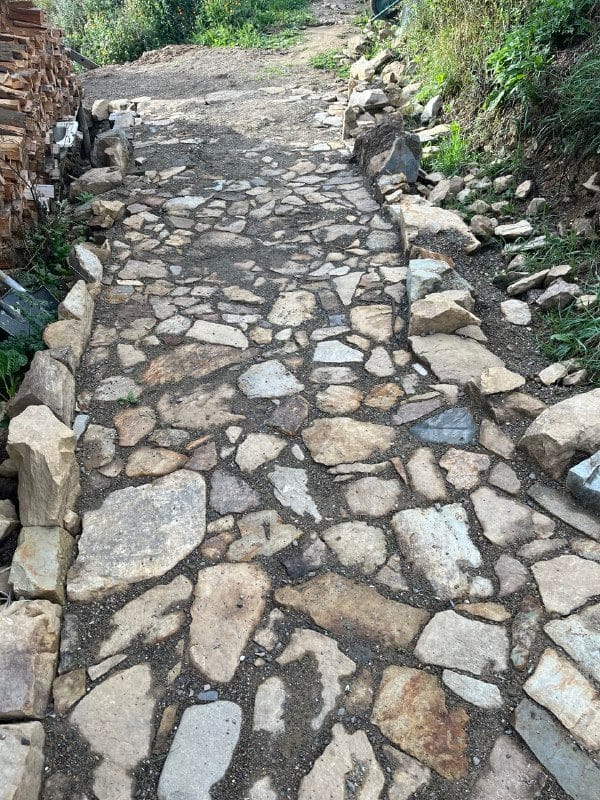
Evening, before sunset. Four days in, and I have stopped moving long enough to look at where I have landed.
The road here was three names, and I have spent the afternoon reading them.
Lviv first — the lion's city, named almost eight hundred years ago for a king's son, a lion cut into the old gates. The lowland. From there the train turns south and begins to climb, up the valley of the Prut, into the mountains.
I left the train at Vorokhta. Eight hundred and fifty metres, on the upper Prut, near the Yablunytsia Pass where the range opens toward Transcarpathia. A stone viaduct the Austrians built a hundred and thirty years ago carries the line over the river in one long curve, and there the rails give out: the height I was going to has no railway of its own.
I have been calling it the threshold — the pass, the rail-head, the last of the train. That is my reading of the place, not the meaning of its name. The name is older and plainer. The village is named for a man; the story is that he was a deserter who turned out to be wise, so that people took to saying, when they did not know what to do, that they were going to Vorokhta. Going to ask. A name that means going to someone for what you cannot see yourself.
Then road, not rail, over the watershed and down to the Black Cheremosh. Verkhovyna. The height. It was Zhabie until 1962 — the frog, the marsh — and then they renamed it for what it is: the high place, the bowl of hills with no village above it. The Hutsul heartland.
Read backwards, the road is almost a sentence. From the lion, to the threshold where you stop to ask, to the height. I did not plan it that way. But it is the sentence I came here to learn. You do not reach a height by force, or alone. You cross over, and you ask.
The Hutsuls held this height through every flag planted over it — Poland, Austria, the Soviet Union — and they still call the rest of the country Velyka Ukraina, Great Ukraine, as though the mountains were a thing apart that they had agreed to belong to. They have a word, toloka, for the work no single house can do alone, that the village turns out to do together. The ground here is not something a stranger takes. It is something its own people stand on, and answer for.
The war is here the way the weather is here. Men from these villages are at the front. Families from the east have been taken in. It is not the subject. It is the ground the subject stands on.
I came to work. The first work is to know whose ground I am standing on.
Day 4 — Räumen — Soil and Peace
Verkhovyna, Carpathian Mountains, Ukraine
© 2026 Michel Garand | Soil and Peace | CC BY-SA 4.0
stewardship@ubec.network